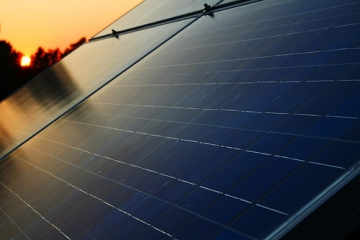
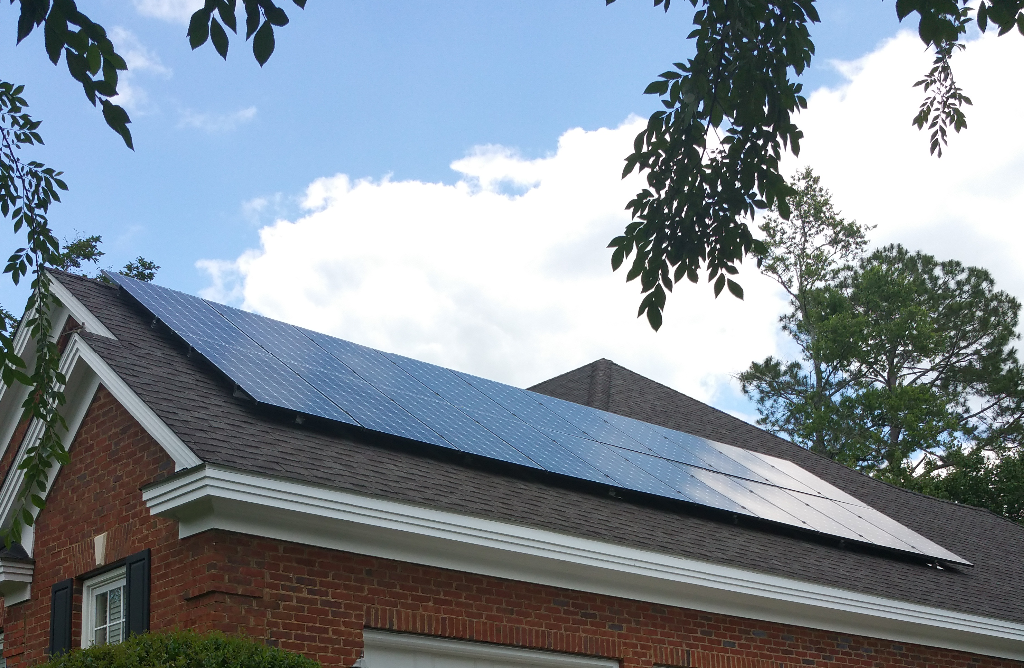
 Georgia is embracing solar power, from Fort Gordon in August to the beachfront homes on Tybee Island. Alternative energy is a real thing and Savannah alternative energy is just one of many areas in Georgia embracing it. The Solarize program in Chatham just recently flipped the switch for panels at four different homes and are ready to do the same for three more still under construction. It has 35 contracts on installation in total and expected more by the Friday deadline. A final count for installations will be available the following Tuesday.Meanwhile, Savannah real estate is growing with more Savannah homes for sale than before and now those looking to move into the area can do more with this energy-conscious program. Solarize, which began in the local area with the name of Solarize Tybee, is a true Savannah alternative energy company. It has now spread to the surrounding county and has made it possible for home owners and businesses to drive down the cost of solar panel installations by purchasing in bulk. That way, neighbors can get together and go in on the cost of adding solar panels to their house for less.Grant Tallon, who is the program manager for Hannah Solar out of Atlanta, said that the attitude of people in the Savannah area has impressed him the most. He said that the people are not just interested in Savannah alternative energy, but enthused about it. He praised the area further by saying it was more progressive than his business’s home city of Atlanta. The added participation reduced the price down to a max of $2.75 per watt, which could go down even further if more last-minute sign-ups occurred. After factoring in a federal tax rebate of 30 percent, an average system with the ability to provide half the energy needs of an average family would cost less than $10,000.
 Paul Wolff of the Tybee Council thought that price sounded pretty good and has championed the Solarize program, despite the fact that he does not benefit directly. This, due to the fact that he already has system of 5.5 kilowatts on his Tybee Island house roof. Wolff said that the estimated $2.75 price is less than half of what he paid five years ago for essentially the same type of system. The Savannah real estate market can certainly benefit from this interest in alternate energy. Those looking to move into an energy-conscious and green area might find Savannah homes for sale to be just what they’re looking for.Solarize’s success has pushed other local solar companies into increasing their visibility as well. Julian Smith of SolarSmith is planning to install an 18 kilowatt system on the old building for Seaboard Coastline Freight, located on Louisville Road. He’s also posting the installation progress on Facebook for the curious. The building is currently the home of Reese and Company.
Smith didn’t mince words when talking about the energy savings. He said it would take the bill down by about 90 percent. Since the business doesn’t operate at night, if everything were shut down save the refrigerator, the bill could go down by as much as 99 percent. For a business, saving that much in energy costs is huge. It’s big for homeowners as well, who often find energy costs are their biggest expenses associated with owning a home. Imagine looking through the Savannah real estate market and finding Savannah homes for sale with installed solar panels. The energy-conscious attitude of the Savannah area could benefit home owners and buyers for years to come.
 Even though Solarize and other local competitors have gotten the attention and contracts of home owners and businesses, these projects pale somewhat to the size of the new installations from Georgia Power. Fort Stewart in Hinesville and Fort Gordon in August are preparing to premiere two 30-megawatt facilities for solar power generation. Each facility spans over 200 acres. A third installation will debut as part of Georgia’s 3×30 solar project. These are scheduled to be finished and delivering power by the end of next year.
The Georgia Public Service Commission pushed for the development of these new projects and they will be brought online at about the same cost, or less, than it would cost for them to generate similar energy from another source. The Solar Power Free-Market Financing Act was also signed into law by Georgia’s governor on May 12. This law allows financing solar panel construction through property owners paying for the installed system’s electricity production.
Leave a Reply